Low-E, Argon, and Squeezing More Efficiency From an Older Syracuse Home
Published July 1, 2026
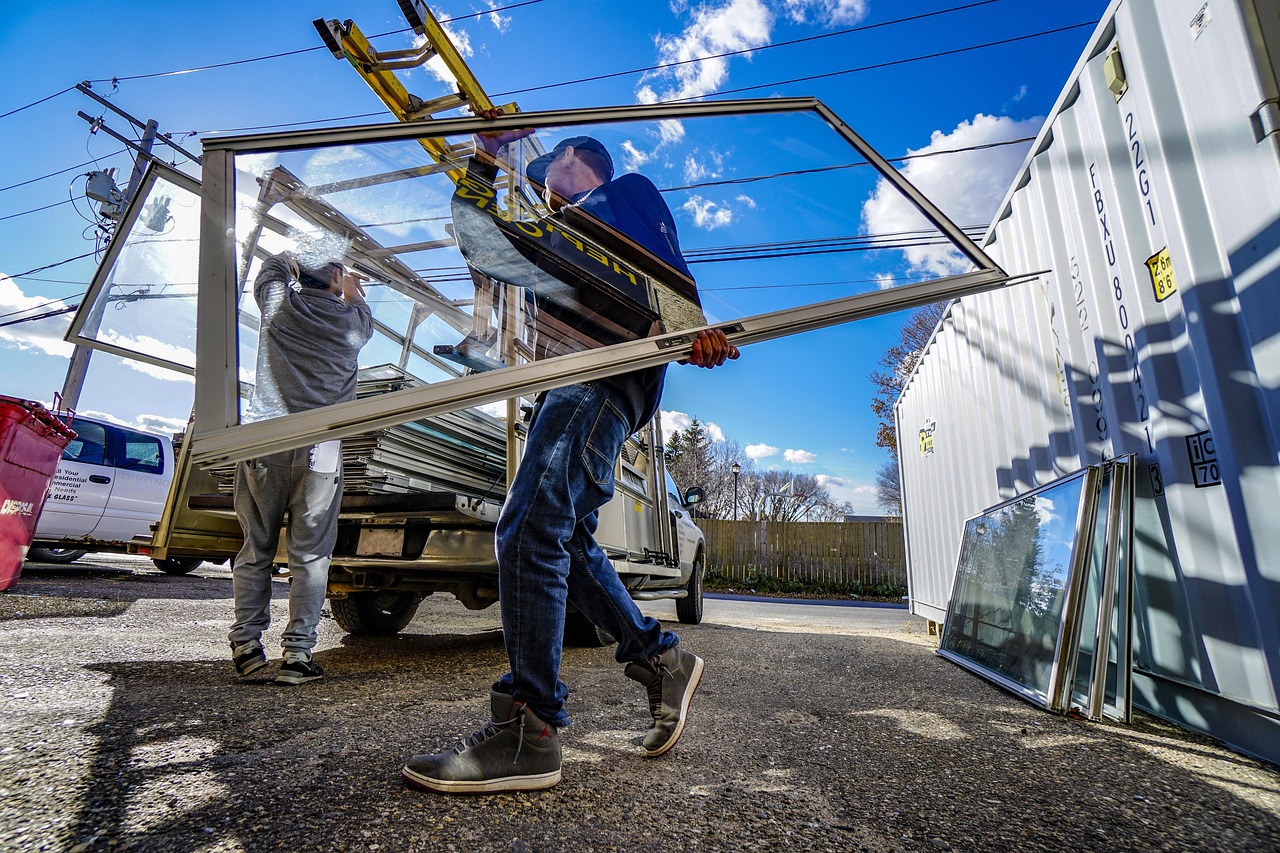
Syracuse winters are long, and an older home with original single-pane sash pays for it every month on the gas bill. The good news is that the window itself is now the easiest place to claw back heat. If you understand three parts of a modern unit, you can spend your budget where it actually returns. Here is what to know before you replace anything.
Start by Reading the NFRC Label
Every ENERGY STAR rated window carries a National Fenestration Rating Council label, and two numbers on it matter most in Central New York. The U-factor measures how fast heat escapes, so lower is better in a cold winter. The Solar Heat Gain Coefficient measures how much solar warmth passes through, and here you can let it run a little higher than a home in Arizona would, because free winter sun helps. Match those numbers to the northern-zone criteria and you have done most of the work.
Low-E Coating Does the Heavy Lifting
Low-E stands for low emissivity, a microscopically thin metal layer baked onto the glass. In winter it reflects your furnace heat back into the room instead of letting it radiate outside. In summer it blocks solar gain so rooms off Genesee Street do not overheat. It is invisible, it adds very little cost, and it is the reason a modern double-pane unit outperforms an old storm-and-sash combination by a wide margin. Pairing it with our energy-efficient windows is the fastest bill cut most homeowners find.
Argon and Warm-Edge Spacers Seal the Deal
Between the panes, manufacturers seal argon, a harmless gas denser than air that slows heat transfer better than a plain air gap. Around the edge, a warm-edge spacer replaces the old aluminum one that used to conduct cold straight through and frost up your glass on a January morning. Together they raise the temperature of the glass edge and kill the condensation that plagues older windows near Butternut Street.
Decide Between Full-Frame and Insert
Where your existing frames are square, solid, and dry, an insert unit drops in, keeps your trim, and costs less. Where the frame is rotted or out of square, full-frame replacement takes the opening down to the studs so we can repair and re-flash. Walk your house and check each frame before you assume every window needs the same method. Many older Strathmore homes end up with a mix.
Spend Where the Wind Hits
You do not have to buy triple-pane for the whole house. Put your extra dollars on the north and windward faces and the rooms you struggle to keep warm, and use good low-E double-pane on the protected, south-facing walls. That is how you get the most comfort per dollar in a Syracuse winter.
Thinking about efficient new windows for your older Syracuse home? Call Burnsidewriterscollective at (680) 597-1416 or contact us for a free in-home assessment.
Need help in Syracuse?
Call (680) 597-1416